
Custom Engagement Rings
Choosing an engagement ring is one of the most important and exciting decisions you’ll ever make. The ring you select will symbolize your love and commitment for years to come, making it a meaningful investment for both you and your partner. With so many options available—diamond shapes, settings, metals, and certifications—it can feel overwhelming to know where to begin.
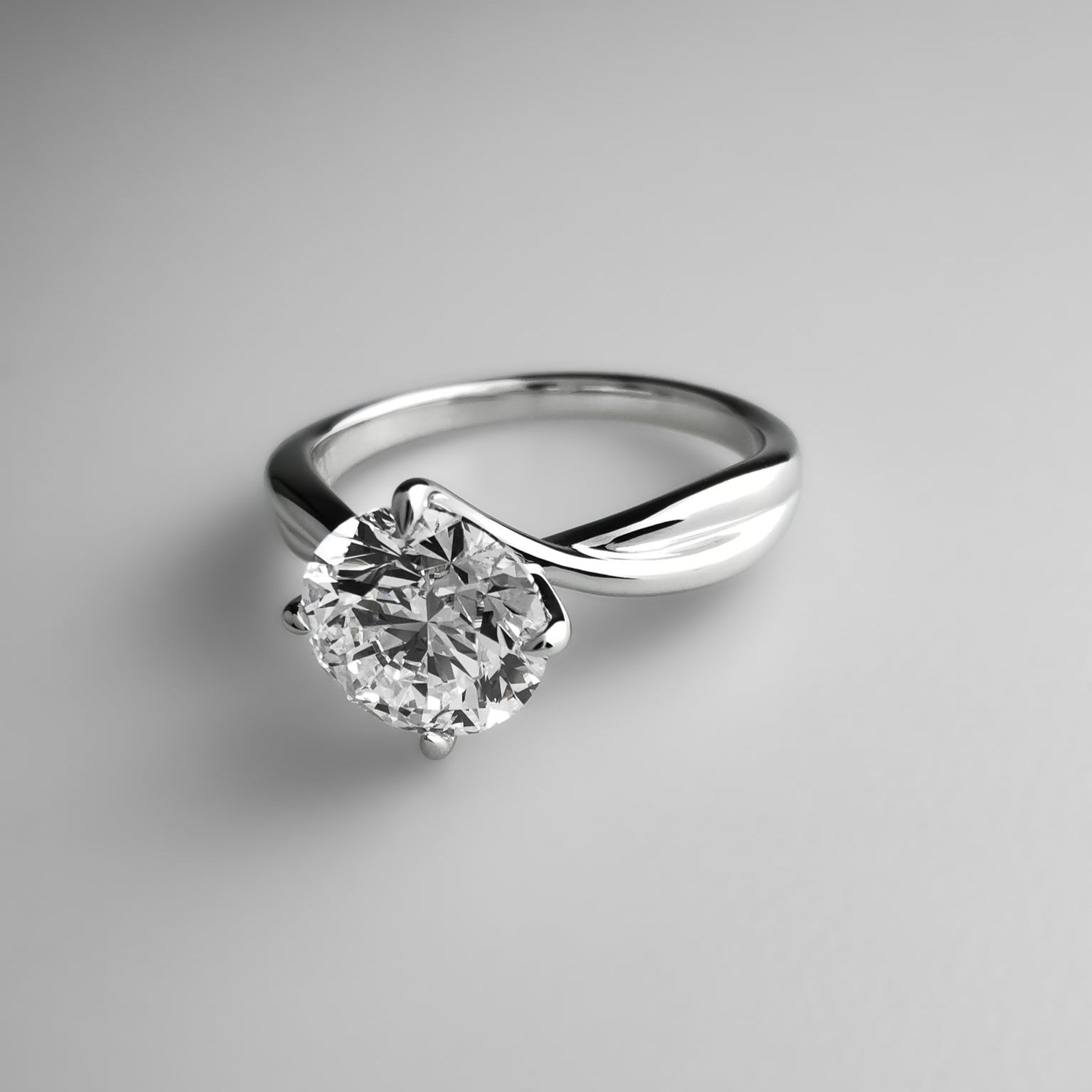
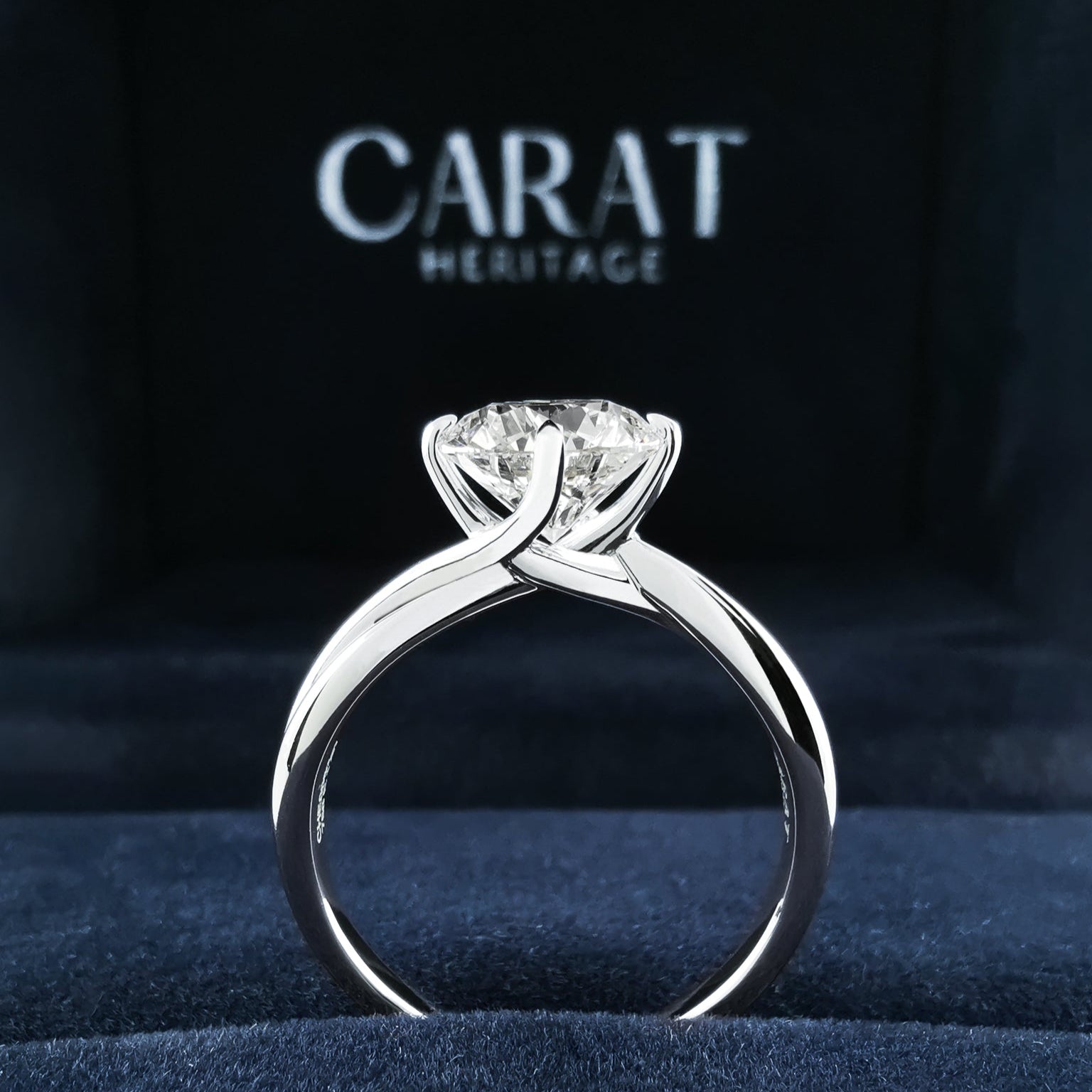
Carat Heritage designs custom engagement rings around the diamond you choose: lab-grown or natural, IGI or GIA certified, set in 18K gold or platinum. Each ring is made to order in 4-8 weeks. Your design begins with a private consultation at our Singapore showroom on Orchard Road, or virtually from anywhere in the world, and we ship to over 50 countries.
Typically, our custom engagement ring process goes like this:
1) Consultation - in person or virtual. We understand your requirements and help you arrive at a design to meet your style and needs
2) Design process - we start sourcing for your diamonds and creating a 3d drawing of your design. The design fee is folded into final cost if the order goes ahead. This takes 1-3 weeks depending on complexity of your design.
3) Approval of drawings - Once you are satisfied with how your design looks, a 50% upfront payment is required before securing the diamond and proceeding to craft your ring.
The entire process typically takes 4-8 weeks from design confirmation to delivery, and includes a rigorous QC process.
4) Delivery of ring - we send the ring to you via insured courier, or you collect it in person at our showroom. Balance payment is required at this point.
Guide to creating your ideal custom engagement ring
To help you understand more about how to design your ring, the following guide breaks down the key factors to consider when choosing a diamond engagement ring, helping you make an informed decision that you’ll be proud of for a lifetime.
Step 1: Understand the 4Cs of Diamonds
When it comes to selecting a diamond, the 4Cs are essential to know. These four characteristics—Cut, Color, Clarity, and Carat Weight—determine the quality and value of a diamond. Let’s dive into each one:
1. Cut
The cut of a diamond refers to how well the diamond has been shaped and faceted. The cut affects the diamond’s brilliance and sparkle, as it determines how light reflects off the stone. A well-cut diamond will sparkle beautifully, while a poorly cut diamond may appear dull, even if it has high clarity and color.
- What to look for: Focus on a diamond with a high-quality cut. The best cuts are typically classified as Excellent or Very Good.

2. Color
Diamonds are graded on a color scale from D (colorless) to Z (light yellow or brown). The less color a diamond has, the more valuable it is, as colorless diamonds allow more light to pass through, enhancing their brilliance.
- What to look for: If you want a near-colorless diamond, opt for grades in the D-F range. For an even more budget-friendly option, diamonds in the G-H range offer excellent value while still appearing colorless to most people.

3. Clarity
Clarity refers to the presence of inclusions (internal flaws) or blemishes (external imperfections) within a diamond. While all diamonds have some form of imperfection, the fewer and less visible the inclusions, the higher the clarity grade.
- What to look for: For the best value, look for diamonds with a clarity grade of VS1 or VS2 (Very Slightly Included), as these diamonds are nearly flawless to the naked eye.

4. Carat Weight
Carat weight measures the size of the diamond. While larger diamonds are generally more expensive, keep in mind that carat weight isn’t the only factor that determines a diamond’s value—cut, color, and clarity are just as important.
- What to look for: Consider the balance between size and quality. For instance, a 1-carat diamond may look just as stunning as a slightly larger diamond if it has a higher quality cut, color, and clarity.

Step 2: Choose a Diamond Shape
The shape of a diamond refers to its overall form and appearance. While diamonds are often referred to by their cut (e.g., round, princess, or cushion), shape is a separate characteristic that reflects the diamond’s geometry. The shape you choose will influence the overall look of the engagement ring and should reflect your partner’s personal style.

Popular Diamond Shapes:
- Round: The most classic and brilliant shape, accounting for the majority of engagement rings.
- Princess: A square or rectangular shape with sharp corners, offering modern appeal and brilliant sparkle.
- Cushion: A square shape with rounded corners, giving it a vintage or romantic look.
- Oval: Elongated and sleek, oval diamonds appear larger and can create the illusion of longer fingers.
- Emerald: A rectangular shape with a step-cut that offers a sophisticated, vintage vibe.
- Asscher: A square version of the emerald cut, offering a unique, geometric style.
- Pear: A teardrop shape that combines the best elements of round and marquise cuts for a distinctive, elegant look.
- Marquise: A boat-shaped diamond that maximizes carat weight, creating a dramatic, elongated look.

Step 3: Select the Right Setting
The setting of the engagement ring holds the diamond in place and can dramatically affect the ring’s overall style and appearance. The right setting can enhance the diamond’s beauty and complement your partner’s personal style. Try our ring personality quiz to help you choose a setting.
Popular Engagement Ring Settings:
- Solitaire: A single diamond on a simple band. The classic, timeless option that puts all the focus on the diamond itself.
- Halo: A central diamond surrounded by smaller diamonds (or gemstones) to enhance the size and sparkle of the center stone.
- Three-Stone: Featuring three diamonds, symbolizing the past, present, and future of your relationship.
- Bezel: A metal rim encircles the diamond, offering a sleek, modern look and extra protection.


Step 4: Choose the Metal for the Band
The metal you choose for the band will not only impact the ring’s overall appearance but also its durability and cost. The most popular metals for engagement rings include:
- White Gold: A classic choice with a similar look to platinum, but more affordable. White gold is often plated with rhodium to maintain its bright appearance. These usually come in 18k or 14k options.
- Yellow Gold: Traditional and warm, yellow gold offers a timeless, classic look and is often favored for vintage-inspired designs.
- Rose Gold: A romantic and modern option with a pinkish hue, rose gold has become increasingly popular in recent years.
- Gold Mixes: Combining different metals (such as two-tone or three-tone bands) can create unique, custom looks.
- Platinum: A luxurious and durable metal with a silvery-white appearance. It’s hypoallergenic and doesn’t tarnish.

Step 5: Consider the Diamond’s Certification
When purchasing a diamond, always look for one that comes with a reputable diamond certificate. Certifications from organizations like the Gemological Institute of America (GIA) or International Gemological Institute (IGI) verify the diamond’s authenticity and provide detailed information about its quality based on the 4 Cs.
- Why it’s important: Certification ensures you’re getting a high-quality, genuine diamond and provides transparency on the stone’s characteristics, which can affect its value and price.

Step 6: Determine Your Budget
Before you start shopping, it’s important to establish a budget for the engagement ring. While the “two-three months’ salary” rule is often cited, there’s really no set formula these days. The right budget depends on your financial situation and what you’re comfortable spending. Keep in mind that you’re investing in a piece of jewelry that will last a lifetime, so finding a balance between quality and affordability is key.
- Tip: Lab grown diamonds are often more affordable than natural mined diamonds so it can make a huge difference in your budget. Don’t forget to factor in the cost of the setting, metal, and any other extras like engraving, which can add to the overall cost of the ring.
Step 7: Focus on Your Partner’s Style
Ultimately, the most important factor in choosing an engagement ring is that it suits your partner’s taste.
Try our ring personality quiz to help you choose a design that matches their style.
Consider their style preferences, lifestyle, and the kind of jewelry they wear on a daily basis. Do they prefer classic, minimalistic pieces, or are they drawn to vintage, intricate designs? If you’re unsure, don’t hesitate to ask family or friends for advice—or even sneak a peek at their current jewelry collection!

Step 8: Shop from a Trusted Jeweler
Finally, when you’re ready to make your purchase, choose a trusted jeweler who offers quality diamonds, transparent pricing, and excellent customer service. Look for a jeweler with a reputation for ethical sourcing and who is willing to work with you to find the perfect ring for your budget and preferences. Carat Heritage is always happy to help!

Conclusion
Choosing an engagement ring is a personal and exciting journey, and it’s a decision that should reflect your partner’s personality and your shared future together. By understanding the 4 Cs of diamonds, selecting the right setting, and focusing on your partner’s style, you can find a ring that is as meaningful as it is beautiful. Remember, there’s no right or wrong choice—only the ring that feels perfect for you both.

Ready to find the perfect engagement ring? Try our ring personality quiz or book an appointment with our consultants in person or virtually to view our stunning collection of diamonds and settings.


Learn More About Diamonds
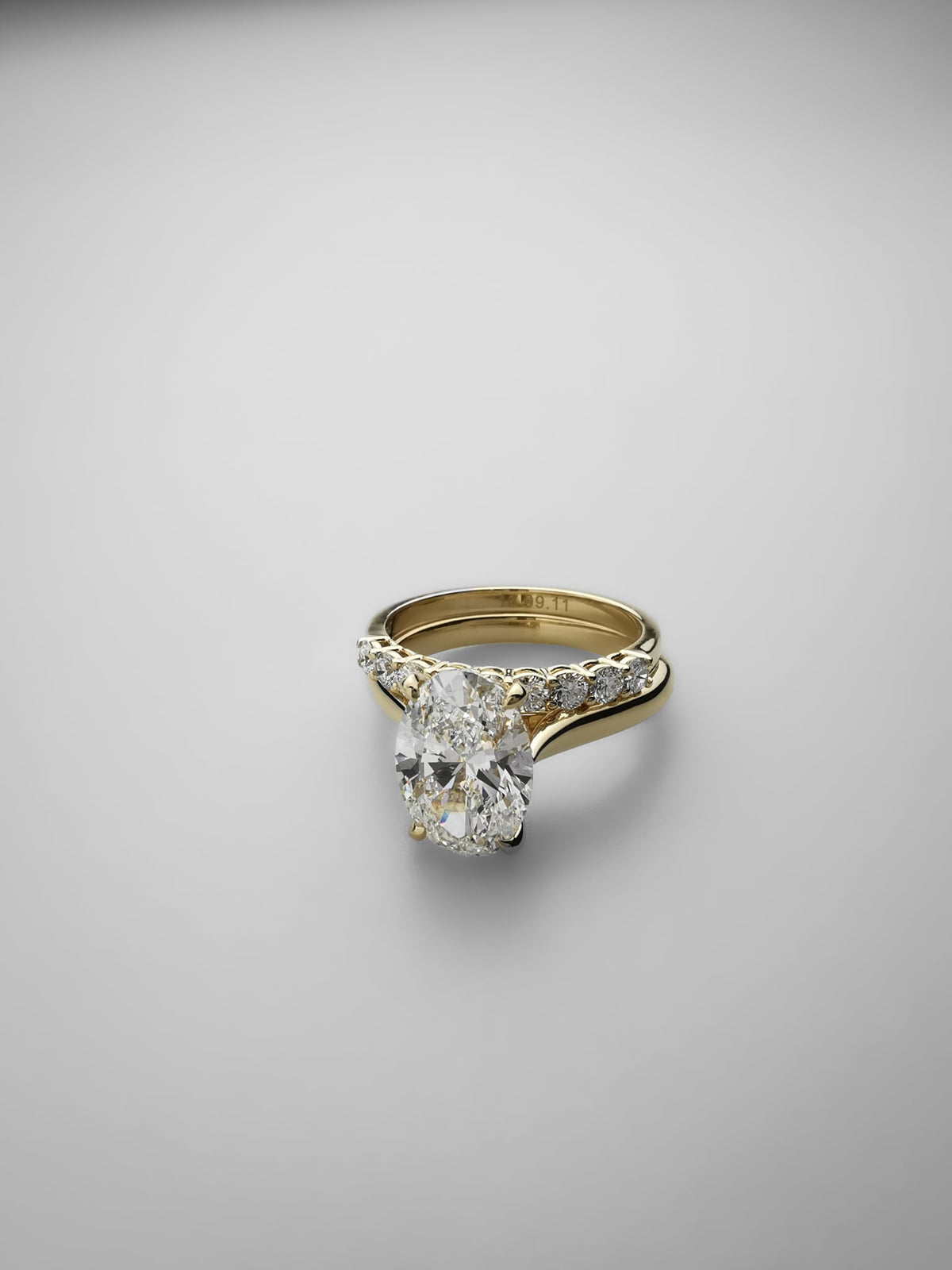
How to Stack Your Engagement Ring and Wedding Band: A Guide to Finding the Perfect Fit
Dreaming of an engagement ring and wedding band that sit perfectly together? This guide explains what a flush stack is and how the height of your setting decides whether a straight band will sit snugly or needs a contoured shape. It also covers the trade-offs between high-set and low-set engagement rings.
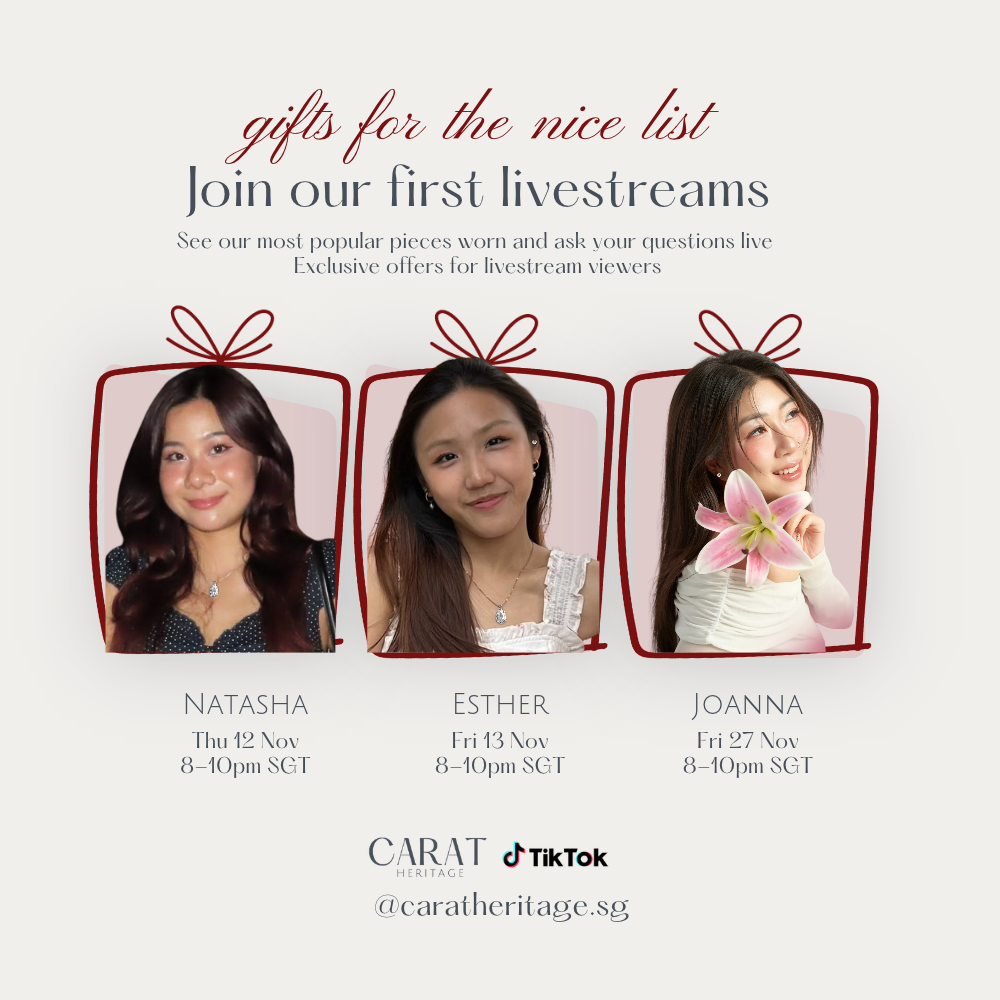
Gifts for the Nice List: Celebrate with us
Every year-end has its own rhythm: first you look, then you gather, then you wrap. This season, Gifts for the Nice List follows that rhythm in three chapters, from mid-November to the end of December. Pick one or all three, for the people on your list and for yourself.
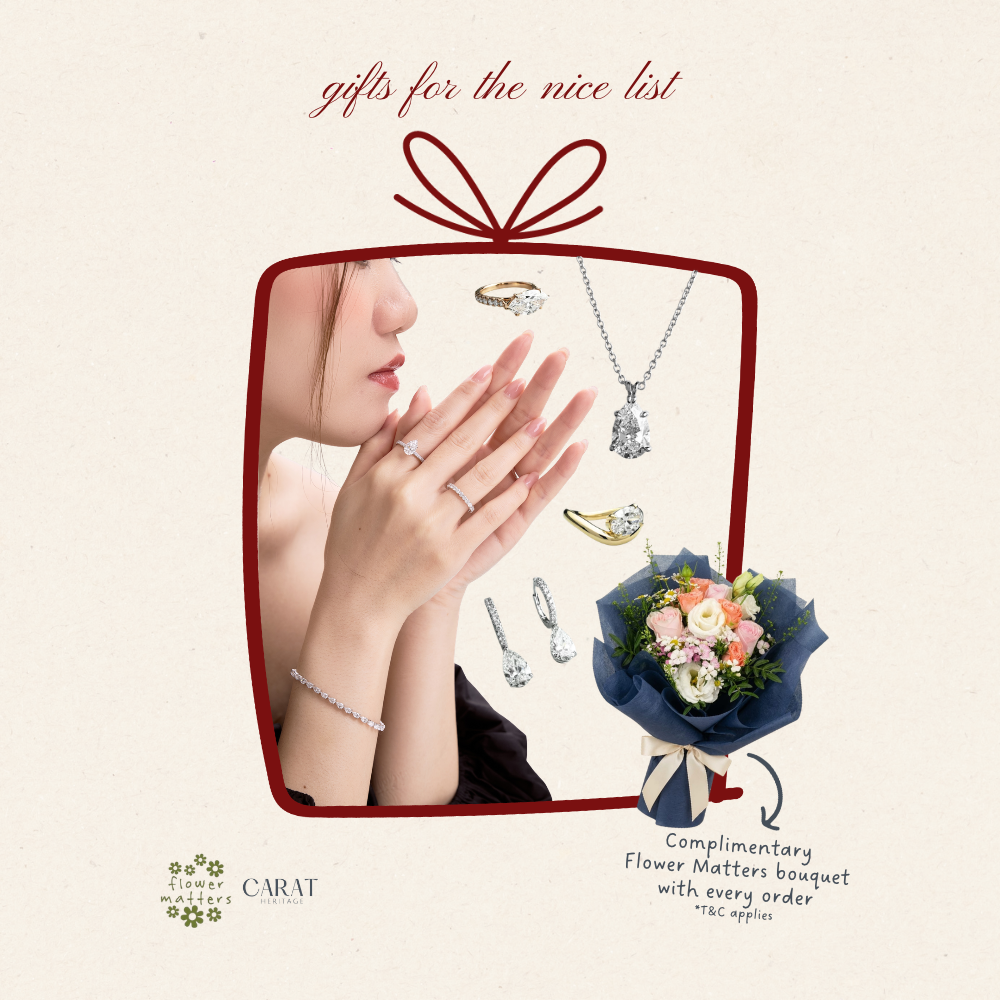
Gifts for the Nice List: A Complimentary Flower Matters Bouquet This Holiday Season
This holiday season, every qualifying order from Carat Heritage arrives with a complimentary Flower Matters bouquet: fresh blooms, delivered alongside your jewellery.